As January 2026 begins, many Americans are closely watching their bank accounts. After holiday shopping, travel expenses, and higher winter bills, household budgets often feel stretched. Because of this, online discussions about a possible $2,000 federal deposit have gained attention. Social media posts and viral headlines have created excitement, but they have also caused confusion about whether a new government payment has actually been approved.
No New Nationwide $2,000 Stimulus Payment
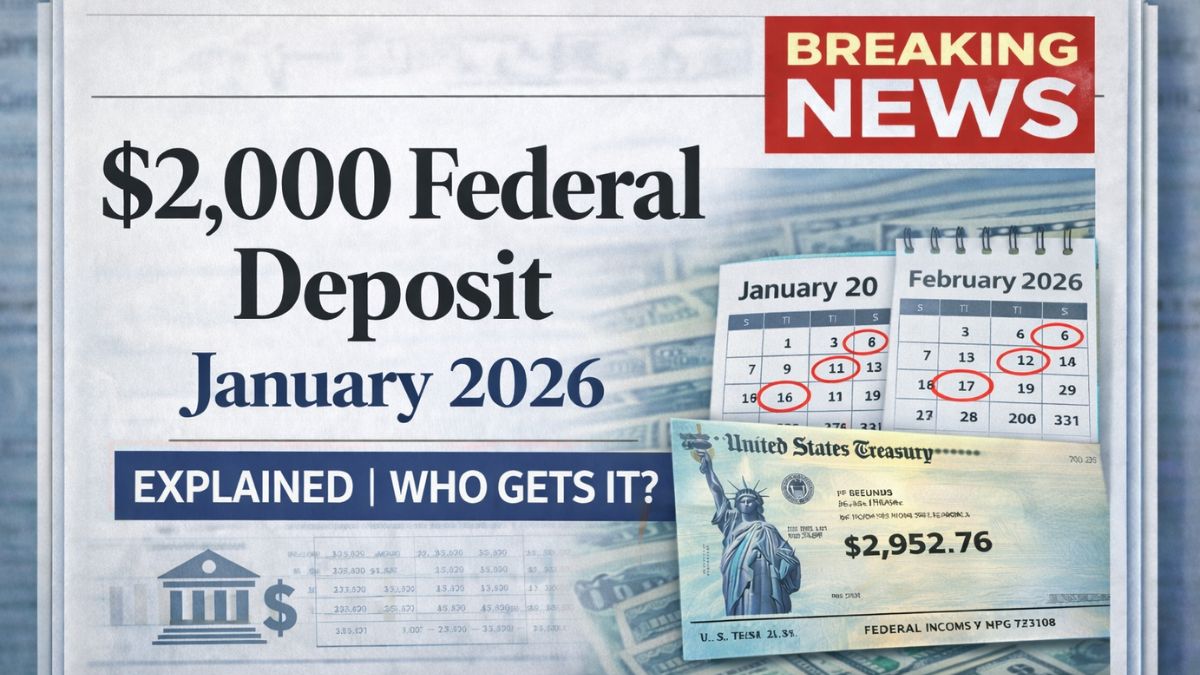
Despite widespread online claims, there is no official confirmation of a new nationwide $2,000 stimulus check for everyone. Neither Congress, the IRS, nor any other federal agency has announced or approved such a payment. For a universal federal payment to be issued, Congress must pass legislation and approve funding. As of January 2026, that has not happened. Any claim suggesting that all Americans are receiving a new $2,000 payment is not accurate.

Why Some People Are Seeing Deposits Near $2,000
Although there is no new stimulus, many people are still noticing deposits close to $2,000. These payments are coming from existing federal systems that operate every year. January is a busy month for government payments, which is why many deposits appear around the same time and create confusion.
Tax Refunds Are a Common Reason

One major source of these deposits is early tax refunds. The IRS begins accepting tax returns in late January, and people who file early and choose direct deposit may receive refunds quickly. Refundable tax credits related to income, children, or education can increase refund amounts. In many cases, these refunds total around $2,000 or more, leading people to believe they received a special federal payment.
Regular Benefit Payments Continue in January
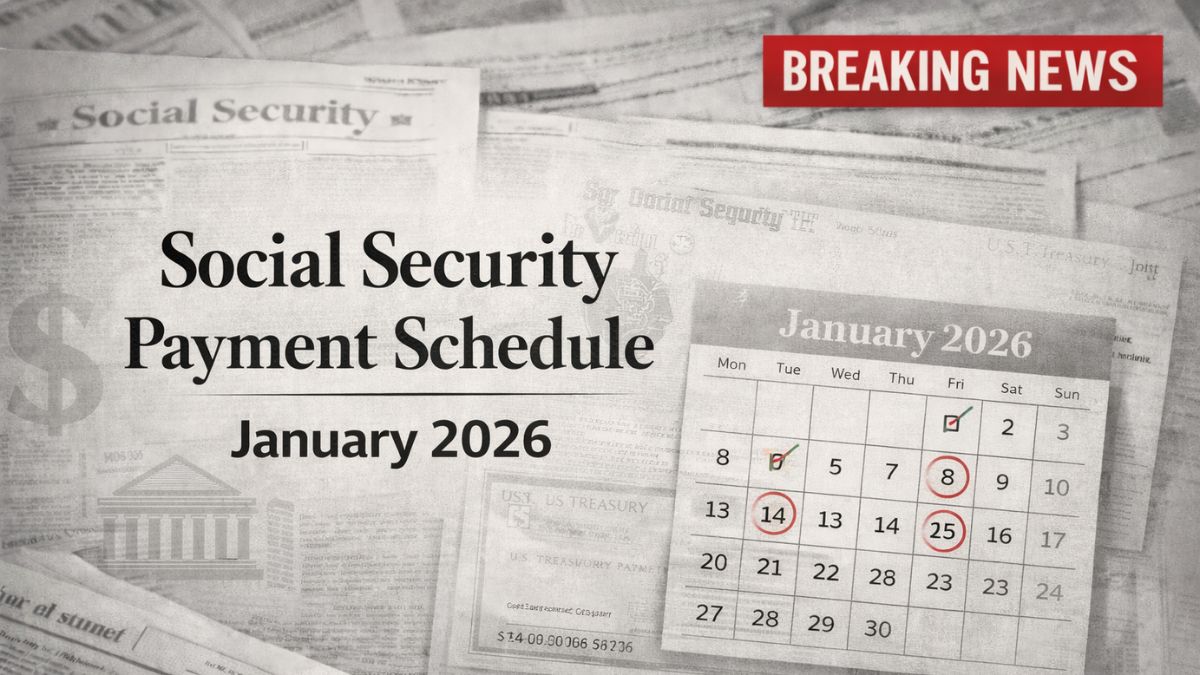
Ongoing benefit programs also play a role. Social Security, SSI, and SSDI payments continue on their regular schedules at the start of the year. Cost-of-living adjustments and individual benefit amounts mean that some monthly payments are close to $2,000. Occasionally, back payments or corrected amounts are issued as lump sums, which can look like a one-time federal deposit.

Understanding the Reality
The $2,000 deposit discussion in January 2026 is not about a new stimulus program. It reflects normal tax refunds, refundable credits, and regular benefit payments. Understanding this helps people avoid misinformation and plan their finances with clearer expectations.
Disclaimer

This article is for informational purposes only and does not provide legal, tax, or financial advice. Federal payment programs, eligibility requirements, and timelines may change. Individual circumstances vary. Readers should rely on official IRS, Social Security Administration, or other federal agency sources, or consult a qualified professional for personalized guidance.