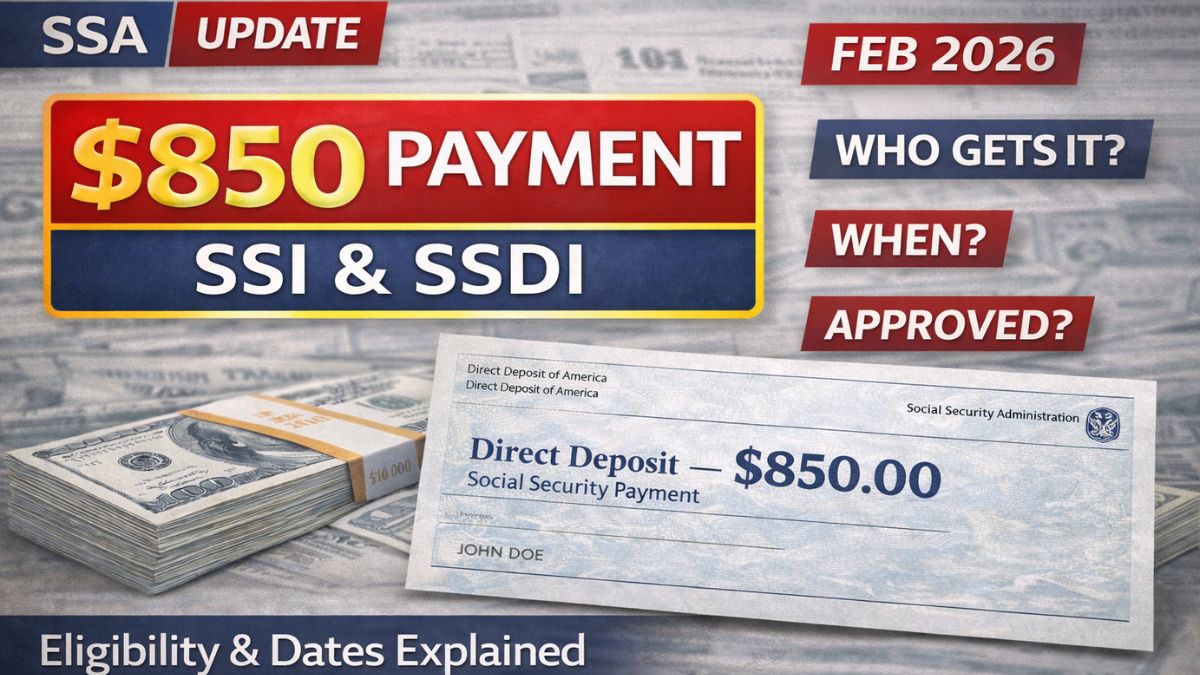
As January 2026 gets closer, many taxpayers across the United States are hearing about a possible $2,000 IRS deposit. Social media posts and eye-catching headlines have made it sound like a new stimulus check is on the way. This has caused many people to expect automatic payments, even before filing their tax returns. In reality, the situation is much more routine and connected to the normal tax refund process.
This Is Not a New Stimulus Program
The IRS has not announced any new stimulus payment for January 2026. No law has been passed to approve a universal $2,000 payment for all Americans. The amount being discussed online refers to regular tax refunds that some taxpayers may receive after filing their returns. These refunds come from overpaid taxes, refundable credits, or adjustments based on individual tax situations.
Why the $2,000 Amount Sounds Familiar
Many tax refunds naturally fall close to $2,000. When withheld taxes are combined with refundable credits, the final refund amount can easily reach this range. Because this number is common, it often gets highlighted online, leading people to believe it is a guaranteed payment. However, every refund is calculated separately, and amounts vary from person to person.

Who May Receive a Refund in January
Not everyone will receive a refund in January, and eligibility is not automatic. A taxpayer must file a complete and accurate tax return. Refund amounts depend on income, filing status, dependents, and eligibility for certain credits. Working families and taxpayers with dependents may see higher refunds, but results differ widely based on personal details.
When IRS Refunds Are Sent
IRS refunds are not issued on a single date. Payments are sent out in stages as tax returns are processed. People who file early and choose direct deposit usually receive their refunds faster. Delays are common if returns contain errors or require additional review.
How Payments Are Delivered
Direct deposit is the fastest and most secure way to receive a refund. Paper checks are still used but take longer and can be delayed by mailing issues. Incorrect bank or address information can also slow down payments, making accurate details very important.

Avoiding Myths and Scams
One common misunderstanding is that everyone will receive exactly $2,000. This is not true, and some people may receive less or nothing at all. The IRS does not send surprise messages promising guaranteed deposits. Using official IRS tools is the safest way to track refunds and avoid scams.
Final Thoughts
The IRS $2,000 January 2026 deposit is not a stimulus check. It is simply a possible refund amount based on individual tax circumstances. Filing early and relying on official information helps taxpayers stay prepared and informed.
Disclaimer
This article is for informational purposes only and does not provide financial, tax, or legal advice. No universal IRS $2,000 stimulus payment for January 2026 has been officially announced. Refund amounts, eligibility, and timelines depend on individual tax situations and may change. Readers should consult the official IRS website or a qualified tax professional for guidance specific to their circumstances.