For millions of Americans, Social Security payments are not extra income. These monthly deposits help pay for rent, groceries, medicines, utility bills, and other daily needs. When a payment does not arrive on time, it can immediately create stress and fear. Many people worry that their benefits have been stopped or reduced. In most cases, however, a delay does not mean anything serious has gone wrong.
How Social Security Payments Are Sent
Social Security payments follow a fixed and organized process. The Social Security Administration approves the payment and sends it electronically through the federal payment system. Once the payment is released, the SSA’s role ends. From that point, banks are responsible for receiving and posting the money into individual accounts. This handoff between SSA and banks is where most delays happen.
The Role Banks Play in Payment Timing
Different banks handle deposits in different ways. Some banks show the money in accounts as soon as it arrives, while others take extra time to process it. In some cases, deposits are posted later in the day or the next business day. This can make it look like the payment is late, even though it was sent on time.

Weekends and Holidays Can Shift Payment Dates
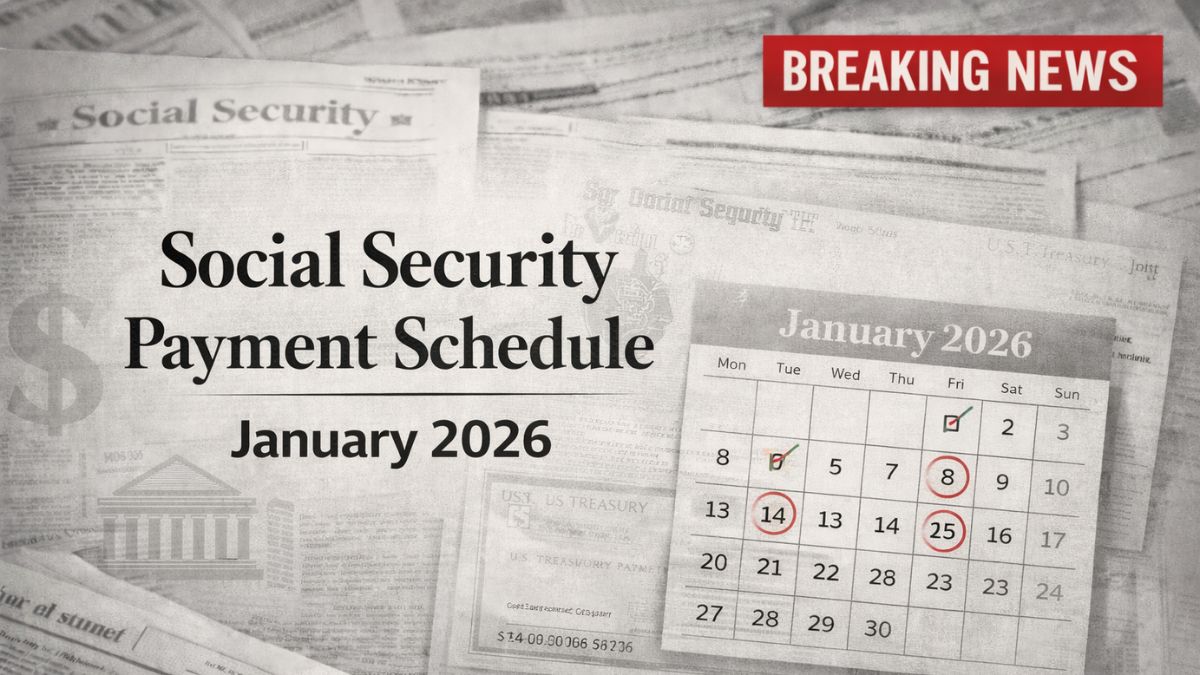
Social Security payments are affected by weekends and federal holidays. If a scheduled payment date falls on a day when banks are closed, the payment is usually sent on the previous business day. Confusion happens when people expect the deposit on the original date without realizing it may have already been issued earlier.
Common Reasons for Delayed Deposits
Bank processing time is one of the most common causes of delay, especially after weekends or holidays. Another reason is recent changes to bank account information. When direct deposit details are updated, the SSA may take extra time to verify the information for security reasons. Banks may also place temporary holds if a deposit triggers a routine fraud check.
What To Do If Your Payment Is Late
The first step is to wait one full business day, as many delays fix themselves. If the payment still does not appear, contact your bank to ask if the deposit is pending or on hold. If the bank confirms that no payment was received, then contact the Social Security Administration. They can confirm the status and reissue the payment if needed.

How to Avoid Future Payment Problems
Keeping your bank and contact information updated is the best way to prevent delays. Checking your payment schedule and being aware of holidays can also reduce unnecessary worry. Most Social Security payment delays are temporary and do not affect long-term benefits.
Final Thoughts on Social Security Payment Delays
Delayed Social Security payments are frustrating, but they are rarely serious. Benefits are not canceled because of short delays, and funds remain protected. Understanding how the system works helps beneficiaries stay calm and take the right steps when issues arise.
Disclaimer
This article is for general informational purposes only and does not provide legal, financial, or official government advice. Social Security rules, payment schedules, and procedures may change. For personal assistance or confirmation about your benefits, always contact the Social Security Administration directly through SSA.gov or their official phone number.